
Every compound we stock, explained with the evidence.
In-depth reviews with a source for every number: what each compound is, where it came from, what the research actually shows, and what is still unknown. No hype, no miracle claims.
Retatrutide: what the triple-hormone trials actually show
One molecule, three hormone receptors and a phase 3 programme of more than 5,800 people. Here is what the retatrutide data say about weight, liver fat and side effects, and what they still cannot tell us.
BPC-157: what three decades of research actually show
A 15-amino-acid fragment of a stomach protein became one of the most talked-about repair peptides. Here is what the evidence says, and what it doesn't.
GHK-Cu: what fifty years of copper-peptide research actually show
A three-amino-acid fragment of human blood went from a liver-cell experiment in 1973 to the ingredient list of countless skin creams. Here is how strong the evidence is, and who produced most of it.
Every review carries an evidence rating
A result in a dish is not a result in people. Every review shows how far the research on that compound has really got.
How the scale works- Cell
- Animal
- Human
- Approved
All reviews & guides
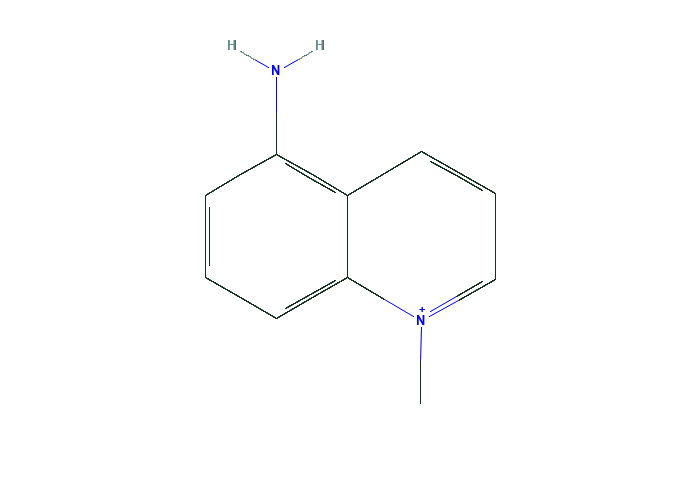
5-Amino-1MQ: an enzyme blocker with mouse data and no human trials
It is not a peptide at all, but a small charged molecule that jams a fat-cell enzyme called NNMT. Here is what the mouse studies show, and how far they still are from people.
AOD-9604: the growth hormone fragment that missed its big trial
A Melbourne lab tried to carve the fat-burning part out of growth hormone. Obese rodents responded. In the largest human trial, about 500 people did not. Here is the full record.
Cagrilintide: the long-acting amylin analogue behind CagriSema
Amylin is insulin's quieter partner, a fullness signal released from the same pancreatic cells. Cagrilintide is a long-acting version that has already been through phase 3 trials. Here is what they show, alone and paired with semaglutide.
From a Gila monster's saliva to triple agonists: how weight-loss peptides evolved
A gut hormone that lasts two minutes, a lizard peptide that lasts for hours, and three decades of chemistry. The story of GLP-1 drugs, and why "GLP-3" is a nickname rather than a hormone.
HGH Fragment 176-191: growth hormone's tail and its tangled name
Sixteen amino acids from the end of growth hormone carry a reputation for fat metabolism. Most of that reputation was earned by close relatives, above all AOD-9604.
Retatrutide: what the triple-hormone trials actually show
One molecule, three hormone receptors and a phase 3 programme of more than 5,800 people. Here is what the retatrutide data say about weight, liver fat and side effects, and what they still cannot tell us.
BPC-157: what three decades of research actually show
A 15-amino-acid fragment of a stomach protein became one of the most talked-about repair peptides. Here is what the evidence says, and what it doesn't.
BPC-157 + TB-500
BPC-157 and TB-500 together: the rationale, and the missing evidence
The two best-known repair peptides are often paired on the theory that they work in different ways. Only one controlled study has tested them together, and it found no added benefit.
KPV: the three-amino-acid tail of a tanning hormone, studied for inflammation
KPV is the last three residues of alpha-MSH, the hormone behind skin pigment. In mice it calms inflamed guts, and it has never been tested in people.
LL-37: the body's own antibiotic, and its double life in the skin
LL-37 is the only human cathelicidin, a 37-amino-acid peptide that kills microbes, steers immune cells and is switched on by vitamin D. It also helps drive psoriasis and rosacea.
TB-500: the peptide with a naming problem, and what the evidence shows
TB-500 is sold as a piece of thymosin beta-4, a repair protein that reached phase 3 eye trials. But the fragment and the protein are not the same thing, and the research rarely says so.
GHK-Cu: what fifty years of copper-peptide research actually show
A three-amino-acid fragment of human blood went from a liver-cell experiment in 1973 to the ingredient list of countless skin creams. Here is how strong the evidence is, and who produced most of it.
Glow 70 mg
Klow 80 mg
Glow and Klow blends: the logic behind four repair peptides in one vial, and what is missing
Glow combines GHK-Cu with BPC-157 and TB-500; Klow adds KPV. Each ingredient has its own research history. The blends themselves have none, and that gap deserves a clear explanation.
Epithalon: a pineal peptide, a telomere claim and a replication gap
A four-amino-acid peptide from St Petersburg has been linked to telomerase, melatonin and longer-lived animals. Most of that evidence comes from one research school. Here is a fair look at what it shows.
FOXO4-DRI: the peptide that talked old mice out of their worn-out cells
A mirror-image peptide breaks the pact that keeps ageing cells alive. In mice it restored fur, kidney function and stamina. Nine years on, it has still not been tested in a person.
Glutathione: the cell's own antioxidant, and the long argument over swallowing, injecting and bleaching with it
Cells make glutathione in millimolar amounts, more than almost any other small molecule. Whether adding more from outside does anything useful is a far more contested question, especially when the goal is lighter skin.
MOTS-c: the exercise signal hidden in mitochondrial DNA
A 16-amino-acid peptide coded inside a mitochondrial ribosome gene behaves like an exercise signal in mice. Here is what the studies show, and where the human evidence runs out.
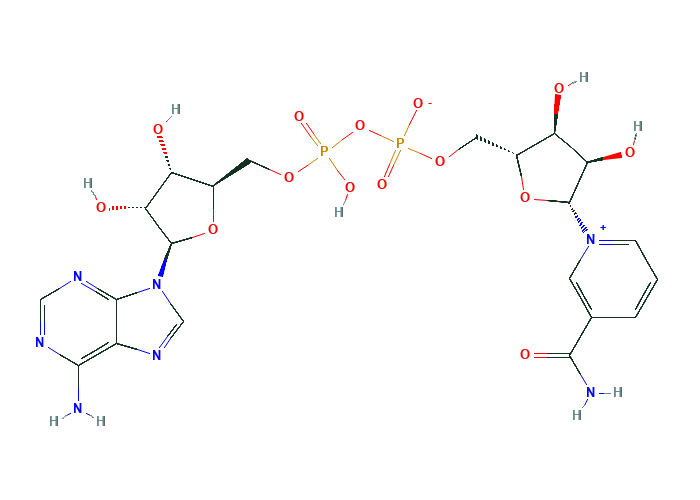
NAD+: the molecule behind the longevity boom, and what human trials actually show
Every human cell runs on NAD+, and levels fall in many ageing tissues. Raising it is easy in a mouse and in a blood test. Showing that it helps people has proved much harder.
SS-31 (elamipretide): the long road from failed trials to an approved drug
A four-amino-acid peptide that clings to the inner membrane of mitochondria missed target after target, then became the first approved treatment for Barth syndrome. Here is what the evidence shows.
CJC-1295 + Ipamorelin
CJC-1295 and ipamorelin: two doors to growth hormone, one confusing name
One molecule presses the brain's growth hormone accelerator, the other mimics a hunger hormone from the stomach. Here is what each was shown to do, why both were shelved, and what is known about the pair.
IGF-1 LR3: a bioreactor workhorse with a misunderstood name
Built in Adelaide to slip past the proteins that normally hold IGF-1 in check, LR3 became a standard cell-culture supplement. Here is what it is, how it differs from the approved drug mecasermin, and what nobody knows yet.
Kisspeptin-10: the chocolate-named gene that switches on puberty
Found in Hershey, Pennsylvania, as a cancer gene and named after a sweet, kisspeptin turned out to sit at the very top of the reproductive hormone chain. Here is what human studies show.
Oxytocin: the birth hormone that science oversold as the love molecule
Oxytocin was the first peptide hormone ever made in a lab and remains a frontline medicine in childbirth. Its reputation as a trust and bonding spray is another matter. Here is what holds up.
PT-141 (bremelanotide): the tanning experiment that became a desire drug
A sunless-tanning project in Arizona produced an unexpected side effect, and decades later an FDA-approved treatment for low sexual desire. Here is what the trials really showed.
Sermorelin: the 29-amino-acid fragment at the heart of the growth hormone axis
It was found by tracing a young woman's acromegaly to a tumour in her pancreas. It became a medicine, then quietly left the market. Here is how sermorelin works and what the evidence shows.
Tesamorelin: the GHRH analogue aimed at deep belly fat
It is the only medicine approved to shrink the visceral fat that builds up in some people with HIV, and it does so without causing weight loss. Here is how it works, what the trials found, and why it never reached Europe.
Selank: a Russian anti-anxiety peptide built from an immune fragment
Selank started life as a stabilised copy of tuftsin, a tiny peptide that helps immune cells eat bacteria, and became a licensed anxiety medicine in Russia. Here is what the evidence does and does not show.
Semax: Russia's stroke-ward peptide and the evidence behind it
A seven-amino-acid fragment of a stress hormone has been a licensed medicine in Russia for decades and almost unknown elsewhere. Here is what the research shows, and how thin the international evidence still is.
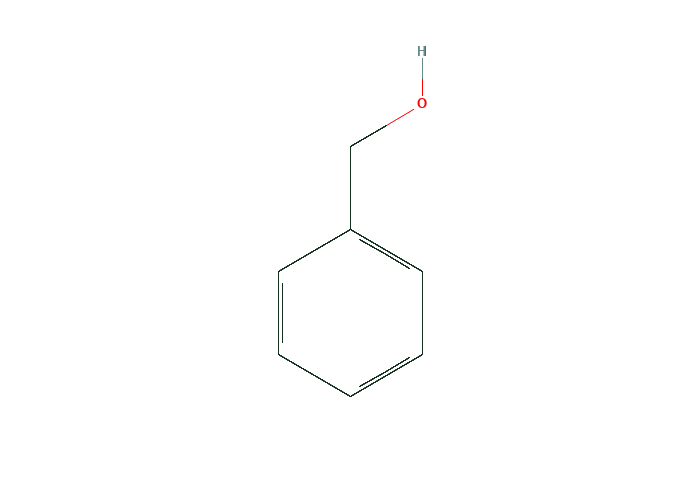
Benzyl alcohol, 0.9%
Bacteriostatic water vs sterile water: what the 0.9% benzyl alcohol does
Bacteriostatic water and sterile water look identical. The difference is nine milligrams of benzyl alcohol per millilitre, and it explains the 28-day rule, the "not for newborns" warning and a few things every lab should know.
HPLC, mass spec and the other tests behind a peptide's purity
Making a peptide means linking amino acids one at a time, dozens of times, without a slip. Here is what goes wrong along the way, and the instruments labs use to catch it.
How to read a certificate of analysis in two minutes
A COA is the one-page lab report behind every vial. Here is what each line means, how to check the numbers, and the warning signs that matter.
- Cell
- Animal
- Human
- Approved
Cell, mouse, human, approved: how to tell how strong a peptide's evidence really is
Most compounds that look promising in a dish or a mouse never become medicines. A guide to the evidence ladder, the numbers behind it, and the gauge on every Synthos compound article.
What a peptide actually is (and why more than 80 medicines are made of them)
Peptides are short chains of amino acids, built from the same alphabet as proteins. A plain-language primer on what they are, why most have to be injected, and how they came to power the GLP-1 era.
Storing research peptides: temperature, light, moisture and time
A dry peptide powder can keep for years in a freezer, while the same peptide in water may start changing within days. The chemistry behind common lab storage practice, and what is actually known about shipping.
Nothing found. Try another name.
Every compound, at a glance
| Compound | Class | Residues | g/mol | Strength of evidence |
|---|---|---|---|---|
| 5-Amino-1MQ | Small molecule | – | 159.2 | Animal studies |
| AOD-9604 | Peptide | 16 | 1,815.1 | Human trials |
| BPC-157 | Peptide | 15 | 1,419.5 | Animal studies |
| BPC-157 + TB-500 | Blend | – | – | Animal studies |
| Cagrilintide | Peptide | 37 | 4,409.0 | Human trials |
| CJC-1295 + Ipamorelin | Blend | – | – | Human trials |
| Epithalon | Peptide | 4 | 390.4 | Human trials |
| FOXO4-DRI | Peptide | 46 | 5,358.0 | Animal studies |
| GHK-Cu | Peptide | 3 | 402.9 | Human trials |
| Glow and Klow blends | Blend | – | – | – |
| Glutathione | Peptide | 3 | 307.3 | Human trials |
| HGH Fragment 176-191 | Peptide | 16 | 1,799.1 | Animal studies |
| IGF-1 LR3 | Peptide | 83 | – | Animal studies |
| Kisspeptin-10 | Peptide | 10 | 1,302.4 | Human trials |
| KPV | Peptide | 3 | 342.4 | Animal studies |
| LL-37 | Peptide | 37 | 4,493.0 | Human trials |
| MOTS-c | Peptide | 16 | 2,174.6 | Animal studies |
| NAD+ | Small molecule | – | 663.4 | Human trials |
| Oxytocin | Peptide | 9 | 1,007.2 | Approved medicine |
| PT-141 (bremelanotide) | Peptide | 7 | 1,025.2 | Approved medicine |
| Retatrutide | Peptide | 39 | 4,731.3 | Human trials |
| Selank | Peptide | 7 | 751.9 | Approved medicine |
| Semax | Peptide | 7 | 813.9 | Approved medicine |
| Sermorelin | Peptide | 29 | 3,357.9 | Approved medicine |
| SS-31 | Peptide | 4 | 639.8 | Approved medicine |
| TB-500 | Peptide | 7 | 889.0 | Animal studies |
| Tesamorelin | Peptide | 44 | 5,135.9 | Approved medicine |
What others are writing
- International Journal of Molecular Sciences (PubMed Central) · Oct 2026Epitalon and Epithalamin: A Narrative Review of Mechanistic, Preclinical, and Clinical Evidence ↗Epithalon
- AJMC · Oct 20265 Things to Know if Retatrutide Is Classified as a Biologic ↗Retatrutide
- HCPLive · Sep 2026Retatrutide Improves Weight Loss, Knee Osteoarthritis Pain, Sleep Apnea Versus Placebo ↗Retatrutide
- NPR · Sep 2026The copper peptide trend has gone from creams to injections — ahead of the science ↗GHK-Cu
- NPR · Sep 2026The copper peptide trend has gone from creams to injections — ahead of the science ↗Glow and Klow blends
- Biotech News NL · Aug 2026Cleara Biotech Secures U.S. and Chinese Patent Protection for its p53-Targeting Development Candidate CL04183 ↗FOXO4-DRI