Glutathione: the cell's own antioxidant, and the long argument over swallowing, injecting and bleaching with it
Cells make glutathione in millimolar amounts, more than almost any other small molecule. Whether adding more from outside does anything useful is a far more contested question, especially when the goal is lighter skin.

At a glance
- Glutathione (GSH) is the tripeptide γ-L-glutamyl-L-cysteinyl-glycine. Its glutamate is joined through the side-chain (gamma) carboxyl group, not the usual one [2].
- Inside cells it reaches 1 to 10 mM, about 1 to 2 mM in most cells and up to 10 mM in liver cells; in plasma it is only micromolar [2].
- Whether swallowed glutathione raises body levels is disputed: a single dose did nothing, a 4-week trial did nothing, a 6-month trial raised stores by 30 to 35% [3,4,5].
- Small trials of oral and topical glutathione report modest skin lightening; there is no trial evidence for injections [6,7,9].
- Regulators in the Philippines and the US have warned against injectable glutathione for skin lightening [10,11].
- In acetaminophen poisoning, glutathione is what protects the liver, and the antidote works by helping the liver rebuild it [12,13].
The molecule every cell keeps on hand
If antioxidants had a household name, it would be glutathione. Cells hold it at concentrations hundreds to thousands of times higher than in blood, and the liver, the body's chemical-processing plant, keeps the most of all [2]. It neutralises hydrogen peroxide, tags toxic compounds for disposal and keeps proteins from being damaged by oxidation [2].
That central role has made glutathione a supplement, a beauty-clinic drip and, in some countries, a popular skin-lightening treatment [6]. The biology is solid. The case for taking extra is much weaker, and the evidence differs sharply depending on how it is taken.
From "an autoxidisable constituent" to a tripeptide
In 1921 the Cambridge biochemist Frederick Gowland Hopkins described a sulphur-containing substance in yeast and animal tissues that was easily oxidised and reduced, and named it glutathione [1]. He first thought it was a dipeptide of glutamate and cysteine. In 1929 he published a reinvestigation and revised it to a tripeptide that also contains glycine [14].
The structure turned out to hold a twist. Most peptides link amino acids through the alpha carboxyl group of each one. In glutathione, the first bond runs from the gamma carboxyl at the end of glutamate's side chain to cysteine's amino group [2].
How it works: a sacrificial bodyguard with a recycling plan
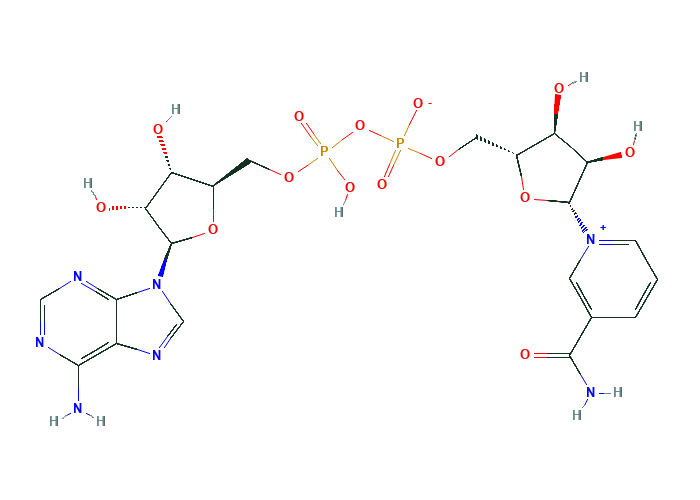
The working part of glutathione is the sulphur atom on cysteine. When a reactive oxidant such as hydrogen peroxide appears, enzymes called glutathione peroxidases use two glutathione molecules to neutralise it, leaving water and the oxidised, paired form GSSG [2]. Glutathione reductase, powered by NADPH (a close chemical cousin of NAD+), then turns GSSG back into two working molecules [2].
Think of it as a bodyguard who takes the hit, then gets patched up and sent back to work. The ratio of reduced to oxidised glutathione acts like a gauge of how much oxidative stress a cell is under.
Glutathione also handles toxins directly. Glutathione S-transferase enzymes attach it to reactive, electron-hungry molecules, which marks them for removal from the body [2].
The gamma bond explains much of the rest of the story. It resists most protein-cutting enzymes, which helps glutathione survive inside cells. But one enzyme, γ-glutamyl transferase, can, and it is abundant in the gut and liver [3]. Cells build glutathione in two steps, first joining glutamate and cysteine and then adding glycine, and raising the supply of cysteine, for example with N-acetylcysteine, has been proposed as a way to boost it [2].
What the research shows
Does swallowed glutathione get in?
This is the oldest argument in the field, and the trials point in different directions.
| Study | Design | Result |
|---|---|---|
| Witschi 1992 [3] | 7 healthy volunteers, single oral dose (about 3 g) | No significant rise in plasma glutathione, cysteine or glutamate over 270 minutes |
| Allen and Bradley 2011 [4] | Randomised, placebo-controlled, 40 adults, 4 weeks | No change in oxidative-stress markers or red-cell glutathione |
| Richie 2015 [5] | Randomised, placebo-controlled, 54 non-smokers, 6 months | Glutathione rose in blood, red cells, plasma and lymphocytes |
The Bern group behind the 1992 study concluded that glutathione is broken down by intestinal and liver γ-glutamyl transferase before it can reach the circulation intact [3].
The Penn State trial changed the debate. In its 1,000 mg/day arm, glutathione stores rose 30 to 35% in red cells, plasma and lymphocytes after six months, and 260% in cells scraped from the inside of the cheek; the 250 mg/day arm showed smaller rises [5]. Levels returned to baseline one month after stopping, and natural killer cell activity more than doubled at three months in the high-dose group [5].
The same molecule that "cannot be absorbed" in one trial raised body stores by a third in another. Duration, measurement method and which compartment was sampled explain much of the disagreement.
Even the positive trial measured glutathione levels and immune markers, not health outcomes, so it shows the molecule can build up, not that building it up helps [5].
Skin lightening
Glutathione is thought to lighten skin by inhibiting tyrosinase, the key enzyme of melanin production, and by shifting production from dark eumelanin towards lighter phaeomelanin [6].
The controlled trials are small. In 60 medical students in Bangkok, four weeks of oral glutathione lowered the melanin index at all six skin sites measured, but the difference from placebo was statistically significant at only two, the face and a sun-exposed forearm [7]. A three-arm, 12-week trial in women found that reduced and oxidised glutathione both tended to lower melanin compared with placebo [8]. In a split-face trial in 30 women aged 30 to 50, a lotion of oxidised glutathione lowered the melanin index more than placebo over 10 weeks [9].
A 2016 review counted three randomised trials supporting modest effects of oral and topical forms, found no evidence that intravenous glutathione works, and noted that the duration and durability of any lightening remain unknown [6].
Injections and drips
Injectable glutathione is the most popular route in beauty clinics and the least supported. In 2019 the Philippine Food and Drug Administration warned that no published clinical trial had evaluated injectable glutathione for skin lightening, that it had approved injectable glutathione only as an add-on in cisplatin chemotherapy, and that reported risks include toxic effects on the liver, kidneys and nervous system and possible Stevens-Johnson syndrome [10].
The US FDA has likewise warned that injectable skin-lightening products, including those containing glutathione, are unapproved and potentially unsafe, and that it has not approved any injectable drug for skin lightening [11]. In 2017 a federal court ordered one US company to stop selling and recall such products [11].
Liver protection and acetaminophen
Glutathione's best-proven medical role is one most people never hear about. At normal doses, about 5% of acetaminophen (paracetamol) is converted in the liver into a highly toxic compound, NAPQI, which glutathione neutralises at once [12]. An overdose uses up the liver's glutathione, and NAPQI then damages liver cells [12].
The antidote, N-acetylcysteine, does not supply glutathione directly. It provides cysteine so the liver can rebuild its own stores [12]. In a US study of 2,540 overdose patients, liver toxicity developed in 6.1% of those at probable risk when the antidote was started within 10 hours, versus 26.4% when it was started 10 to 24 hours after ingestion [13].
What we don't know yet
- Whether more helps. Raising blood glutathione has not been shown to prevent disease or slow ageing in healthy people [5].
- Lasting effects on skin. Trials lasted 4 to 12 weeks; how long lightening persists, and long-term safety, are unknown [6,7].
- Injectable safety. Regulators describe serious potential harms, but no controlled studies define the risks of repeated cosmetic infusions [10].
- Measurement. Plasma glutathione is hundreds to thousands of times lower than inside cells, so blood tests are a poor window on tissue levels [2].
Regulatory status
Glutathione is sold as a dietary supplement in many countries. No regulator we know of has approved it as a skin-lightening drug, and the US FDA has approved no injectable skin-lightening product [11]. In the Philippines, injectable glutathione is approved only as an adjunct to cisplatin chemotherapy [10]. In the US, glutathione is listed in FDA Category 1 ("under evaluation") for pharmacy compounding as of May 2026 [15].
In the lab: handling and storage
Reduced glutathione is a white crystalline powder. Its thiol group oxidises in air and in solution, forming GSSG, so the powder is typically stored tightly closed at −20 °C long term or 2–8 °C short term, protected from light and moisture. Solutions are usually prepared fresh, kept cold and used promptly, and some labs degas buffers to slow oxidation. Each lot comes with a certificate of analysis. Synthos supplies glutathione for research use; for related redox chemistry, see how glutathione reduces copper in GHK-Cu.
FAQ
Is glutathione a peptide?
Yes, a tripeptide of glutamate, cysteine and glycine, but an unusual one: the glutamate is linked through its side-chain gamma carboxyl group [2].
Does oral glutathione work?
Does glutathione lighten skin?
Small trials of oral and topical forms report modest reductions in melanin; there is no trial evidence for injections [6].
Is IV glutathione safe for skin whitening?
What does glutathione have to do with paracetamol overdose?
Glutathione neutralises paracetamol's toxic metabolite in the liver; the antidote N-acetylcysteine works by restoring it [12].
How Synthos supplies Glutathione
Every Synthos lot of Glutathione is tested by an independent laboratory, and the certificate of analysis for that lot comes with your order. Ask your representative to see it before you pay anything.
Further reading elsewhere
Coverage and explainers from other publications, picked and checked by our team.
- The Korea Herald · Nov 2025Whiter skin for sale: South Korea’s glutathione dilemma ↗How glutathione 'whitening drips' became mainstream in South Korea, and the growing concern about off-label injections.
- Channel 4 News · Jun 2025Exposing dangerous glutathione ‘skin whitening’ IV drips in UK ↗An undercover investigation into unregulated glutathione drips offered by beauty clinics across the UK.
- Philstar · Feb 2024DOH reiterates warning vs ‘gluta’ drip as skin whitener ↗The Philippine health department restates that it does not support glutathione for skin whitening, citing the 2019 FDA advisory and a recent death after an IV treatment.
- Food and Drug Administration Philippines · Jul 2019FDA Advisory No. 2019-182 || Unsafe Use of Glutathione as Skin Lightening Agent ↗The Philippine regulator's warning that injectable glutathione is not approved or tested for skin lightening, with the risks it lists.
- Healthline · Nov 2017Glutathione Benefits ↗An explainer on what glutathione does in the body, the forms it is sold in, and what research says about its claimed benefits.
References
- Hopkins FG. On an autoxidisable constituent of the cell. Biochem J. 1921;15(2):286-305. PubMed (1921 discovery and naming)
- Forman HJ, Zhang H, Rinna A. Glutathione: overview of its protective roles, measurement, and biosynthesis. Mol Aspects Med. 2009;30(1-2):1-12. PubMed (structure, gamma bond, mM concentrations, peroxidase, reductase and transferase roles, synthesis)
- Witschi A, Reddy S, Stofer B, Lauterburg BH. The systemic availability of oral glutathione. Eur J Clin Pharmacol. 1992;43(6):667-669. PubMed (single-dose study; breakdown by γ-glutamyl transferase)
- Allen J, Bradley RD. Effects of oral glutathione supplementation on systemic oxidative stress biomarkers in human volunteers. J Altern Complement Med. 2011;17(9):827-833. PubMed (4-week null trial)
- Richie JP Jr, Nichenametla S, Neidig W, et al. Randomized controlled trial of oral glutathione supplementation on body stores of glutathione. Eur J Nutr. 2015;54(2):251-263. PubMed (6-month trial results)
- Sonthalia S, Daulatabad D, Sarkar R. Glutathione as a skin whitening agent: facts, myths, evidence and controversies. Indian J Dermatol Venereol Leprol. 2016;82(3):262-272. PubMed (mechanism of lightening, summary of trials, lack of evidence for IV use)
- Arjinpathana N, Asawanonda P. Glutathione as an oral whitening agent: a randomized, double-blind, placebo-controlled study. J Dermatolog Treat. 2012;23(2):97-102. PubMed (oral trial in 60 students)
- Weschawalit S, Thongthip S, Phutrakool P, Asawanonda P. Glutathione and its antiaging and antimelanogenic effects. Clin Cosmet Investig Dermatol. 2017;10:147-153. PubMed (12-week three-arm oral trial)
- Watanabe F, Hashizume E, Chan GP, Kamimura A. Skin-whitening and skin-condition-improving effects of topical oxidized glutathione: a double-blind and placebo-controlled clinical trial in healthy women. Clin Cosmet Investig Dermatol. 2014;7:267-274. PubMed (topical split-face trial in 30 women)
- Food and Drug Administration Philippines. FDA Advisory No. 2019-182: Unsafe use of glutathione as skin lightening agent. July 5, 2019. FDA Philippines (regulatory warning, approved indication, reported risks)
- US Food and Drug Administration. Injectable skin lightening and skin bleaching products may be unsafe. Consumer Update, content current as of April 19, 2018 (archived copy). Archive (US warning; no approved injectable lighteners; 2017 court order)
- Heard KJ. Acetylcysteine for acetaminophen poisoning. N Engl J Med. 2008;359(3):285-292. PubMed (NAPQI formation, glutathione detoxification, how acetylcysteine works)
- Smilkstein MJ, Knapp GL, Kulig KW, Rumack BH. Efficacy of oral N-acetylcysteine in the treatment of acetaminophen overdose: analysis of the national multicenter study (1976 to 1985). N Engl J Med. 1988;319(24):1557-1562. PubMed (outcomes in 2,540 patients by treatment timing)
- Hopkins FG. On glutathione: a reinvestigation. J Biol Chem. 1929;84:269-320. DOI (revision of the structure to a tripeptide)
- US Food and Drug Administration. Bulk drug substances nominated for use in compounding under section 503A of the FD&C Act (updated May 14, 2026). FDA (glutathione in Category 1)
This article summarises published research for education and laboratory context. It is not medical advice. Synthos products are sold for laboratory research only and are not approved for human use.